How to Market Residential Window Tinting Services (Without Competing on Price)
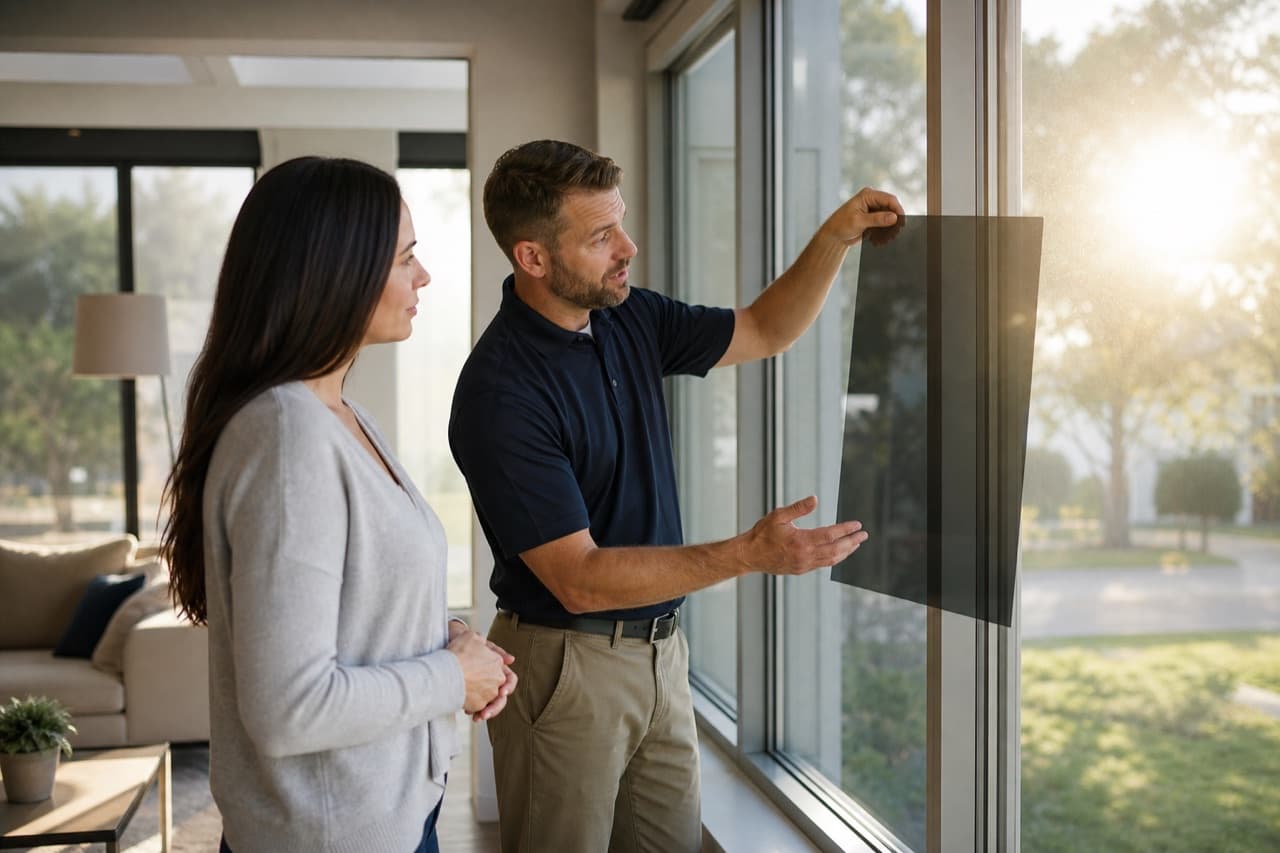
Most tint shops make 80% of their revenue from automotive tinting and treat residential as an afterthought. That is a missed opportunity worth tens of thousands of dollars per year.
Residential window tint jobs average $800–$3,000+ depending on the home size and film type. Compare that to the average auto tint job at $350. The residential market is less seasonal, less competitive, and more profitable — if you know how to market it correctly.
Why Residential Tint Is Different
The residential buyer is fundamentally different from the automotive buyer. Understanding this difference is the key to marketing residential tint profitably.
Automotive buyer: Wants their car to look good. Searches "window tint near me." Compares prices. Makes a decision in 1–3 days.
Residential buyer: Wants to solve a problem — high energy bills, fading furniture, uncomfortable rooms, UV exposure. Searches "how to reduce heat through windows" or "window film for sun protection." Takes 2–4 weeks to decide. Wants to trust the installer before letting them into their home.
This means your marketing messaging, your keywords, and your sales process all need to be different for residential work.
Positioning: Lead With Problems, Not Products
Your automotive tint page can lead with "Professional Ceramic Tint — Starting at $299." That works because auto customers already know what window tint is.
Your residential page needs to lead with the problem: "Is the sun turning your living room into a greenhouse? Professional window film blocks 85% of solar heat and 99% of UV rays — without changing the look of your windows."
Key problems to address in your messaging: - High energy bills in summer months - Rooms that are too hot to use during the day - Fading furniture, hardwood floors, and artwork - Glare on TV screens and computer monitors - UV exposure risk for family members
Google Ads for Residential Tint
The keyword strategy for residential tint is completely different from automotive. Here are the keywords that generate residential leads:
High intent: - home window tinting [city] - residential window film near me - window tint for house [city] - solar window film installation
Problem-aware: - how to reduce heat from windows - window film for sun protection - reduce glare on windows home - UV blocking window film
Energy-focused: - energy efficient window film - window tint to reduce cooling costs - insulating window film
Your ad copy should emphasize the benefits homeowners care about: energy savings, comfort, UV protection, and privacy. Do not lead with the product (window film is not exciting). Lead with the outcome (a cooler, more comfortable home with lower energy bills).
Content Marketing for Residential
Create blog content and social media posts targeting homeowners:
Blog post ideas: - "How Much Can Window Film Save on Your Energy Bill? (Real Numbers)" - "Window Film vs. New Windows: Which Is More Cost-Effective?" - "Protect Your Hardwood Floors From Sun Damage With Window Tint" - "The Best Window Film for South-Facing Windows"
Social media ideas: - Side-by-side temperature readings (inside vs. outside with tint) - Before/after photos of rooms with glare issues - Customer testimonial videos from homeowners - Energy bill comparison screenshots (with customer permission)
Partnerships That Drive Residential Leads
This is where residential tint marketing gets creative. The best residential tint leads often come from referral partnerships with:
Real estate agents: They recommend window tint to new homeowners as an upgrade. Offer agents a $50–$100 referral fee per closed job.
HVAC companies: When an HVAC tech tells a homeowner "your system is working overtime because your windows let in too much heat — you should consider window film," that is a warm lead. Cross-refer between your businesses.
Interior designers: They know which clients have sun damage and glare issues. Window film is a solution they can recommend as part of a design project.
Solar panel companies: Window film and solar panels are complementary products. Customers interested in energy efficiency often want both.
Pricing: Do Not Compete on Price
The biggest mistake tint shops make in residential marketing is pricing too low to win bids. Residential customers who choose purely on price are not the customers you want — they will leave bad reviews if anything is less than perfect, and they will never refer you.
Instead, position yourself as the premium option: - Offer energy savings estimates for each home - Include a warranty that covers bubbling, peeling, and discoloration - Provide professional measurement and consultation (free) - Use premium film brands and say so in your marketing
A homeowner spending $2,000 on window film wants to feel confident they are hiring a professional, not the cheapest option on Google.
Seasonality: Summer Is Your Window
Residential tint demand peaks in May through August when homeowners are feeling the heat and seeing high cooling bills. Plan your residential marketing push for Q2:
- Launch Google Ads for residential keywords in April
- Run a "Summer Energy Savings" promotion in May/June
- Partner with HVAC companies for cross-referrals during their peak season
- Post energy savings content on social media throughout summer
By October, residential demand drops significantly. Use that time to build your residential portfolio and gather testimonials for next year's push.
Want us to handle this for you?
Start your free 14-day trial. We build and launch everything while you focus on tinting.
Start Free Trial